





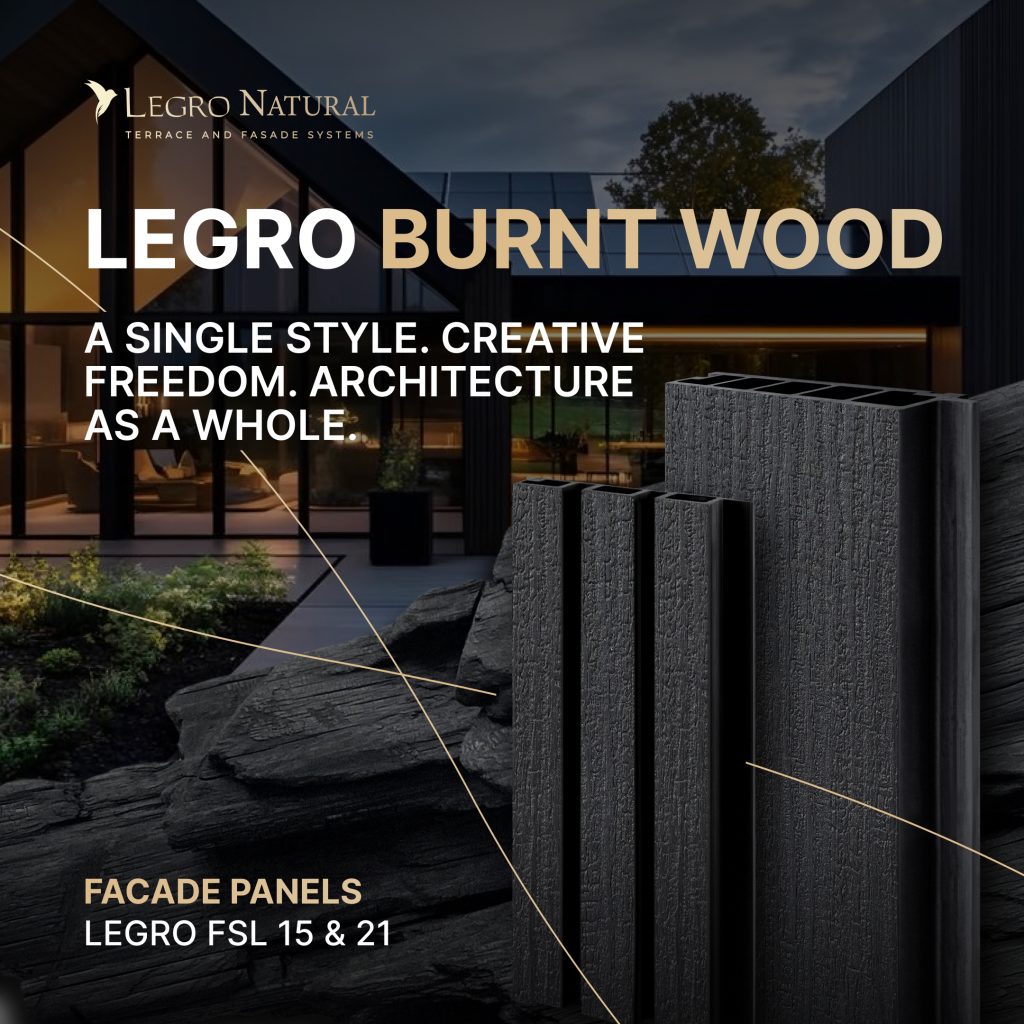
Architecture of dark depth.
Natural character, fixed in time
In architecture, there are moments when a material stops being just a finish and becomes a statement. Legro Burnt Wood is exactly that.
It is a texture inspired by the ancient Japanese wood-charring technique — Shou Sugi Ban. Originally, wood was charred to protect it from moisture and time. Over the years, however, it was the aesthetics — deep black relief, velvety surface, dramatic play of light — that became the true value.
Today, it is a global architectural trend. Japandi. Wabi-Sabi. Contemporary minimalism. Dark façades that emphasize geometry and create depth.
Yet natural charred wood remains a living material — it requires maintenance, may flake, changes over time, and most importantly, its production requires cutting down trees.
This is where the story of Burnt Wood in the Legro line begins.
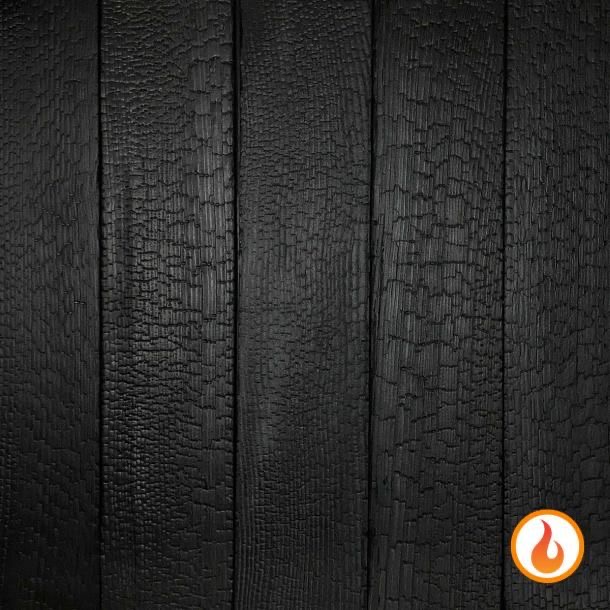
Why We Created Burnt Wood in FS15, FS21 and DS14 Formats
We didn’t want to create just a beautiful texture. We wanted to give architects a tool.
- FS15
A lightweight, rhythmic façade profile for vertical dynamics. Creates a sense of elongation, strictness, and graphic clarity. - FS21
A wider slat for calm, monumental surfaces. Ideal for large volumes and minimalist façades. - DS14
Decking board with the same Burnt Wood texture. Allows façades and horizontal surfaces to be united into one architectural system.
These are not just different sizes. They are tools to control the rhythm of a building. One style — three instruments.
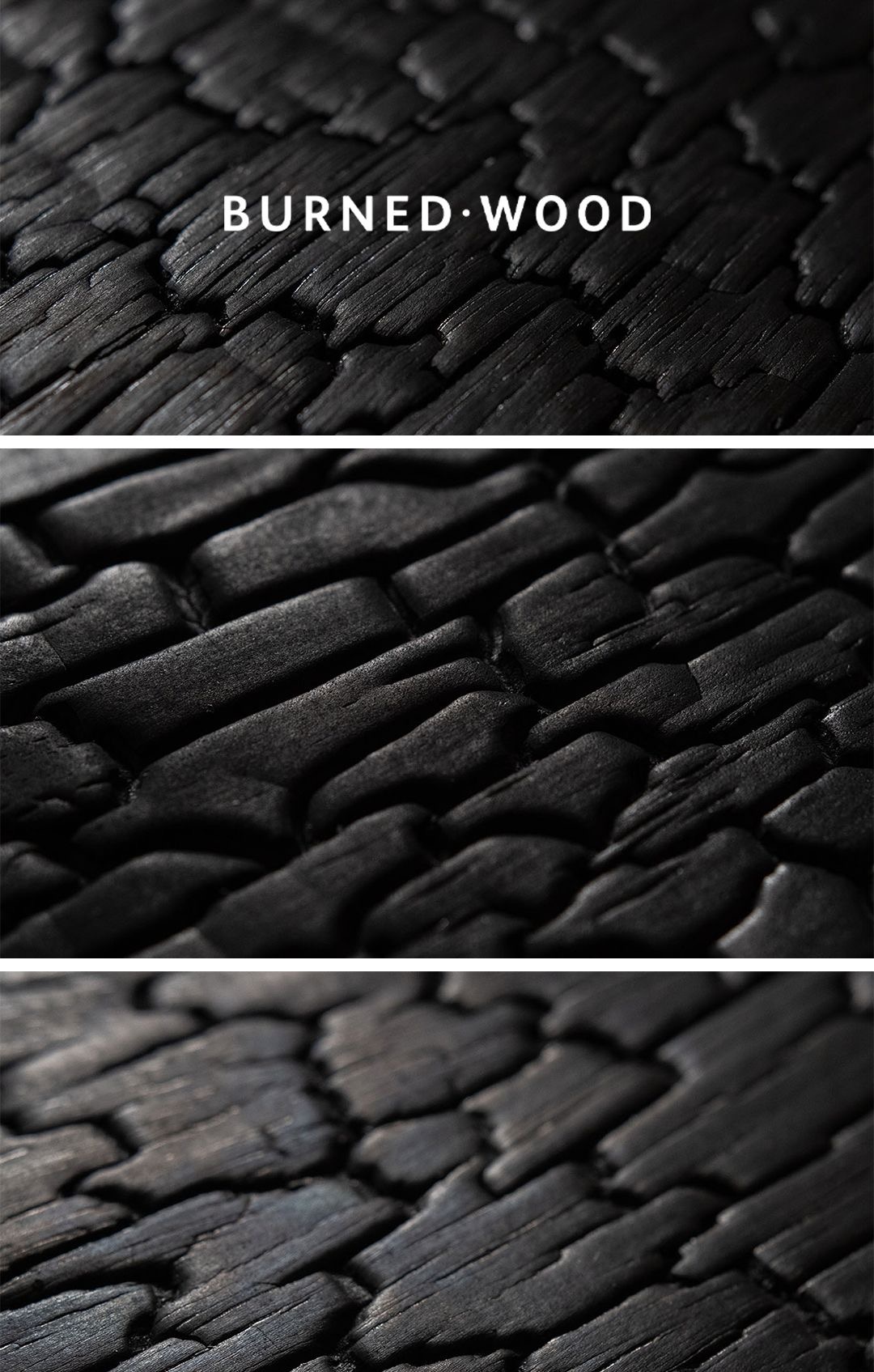
Natural Look Without Vulnerability
Burnt Wood is not paint and not a decorative film. It is a texture integrated into the material.
Unlike natural charred wood:
- it does not require annual treatment,
- it does not flake,
- it is resistant to moisture,
- it maintains stable geometry.
Unlike many façade solutions:
- no risk of coating delamination,
- no fading,
- no need for renewal after just a few seasons.
Sustainability as Architectural Responsibility
When creating Burnt Wood, we asked a simple question: why burn and cut down new trees for the sake of charred wood aesthetics?
Legro gives wood a second life.
More than 80% of the material consists of recycled components:
- recycled wood flour,
- secondary polymers,
- reused raw materials without loss of quality.
We do not burn living trees for texture. We preserve forests while creating a durable architectural material.
This is not sustainability as a trend. It is sustainability as a production principle.

25 Years of Stability
Legro Burnt Wood is part of the Legro façade system with an official 25-year warranty. This means:
- no visible color changes,
- preserved texture depth,
- shape stability,
- consistent architectural effect.
The charred wood effect chosen on installation day remains the same after 10, 15, and 25 years. No annual treatment. No re-charring. No façade replacement.
A rare combination — emotional impact and engineering predictability.
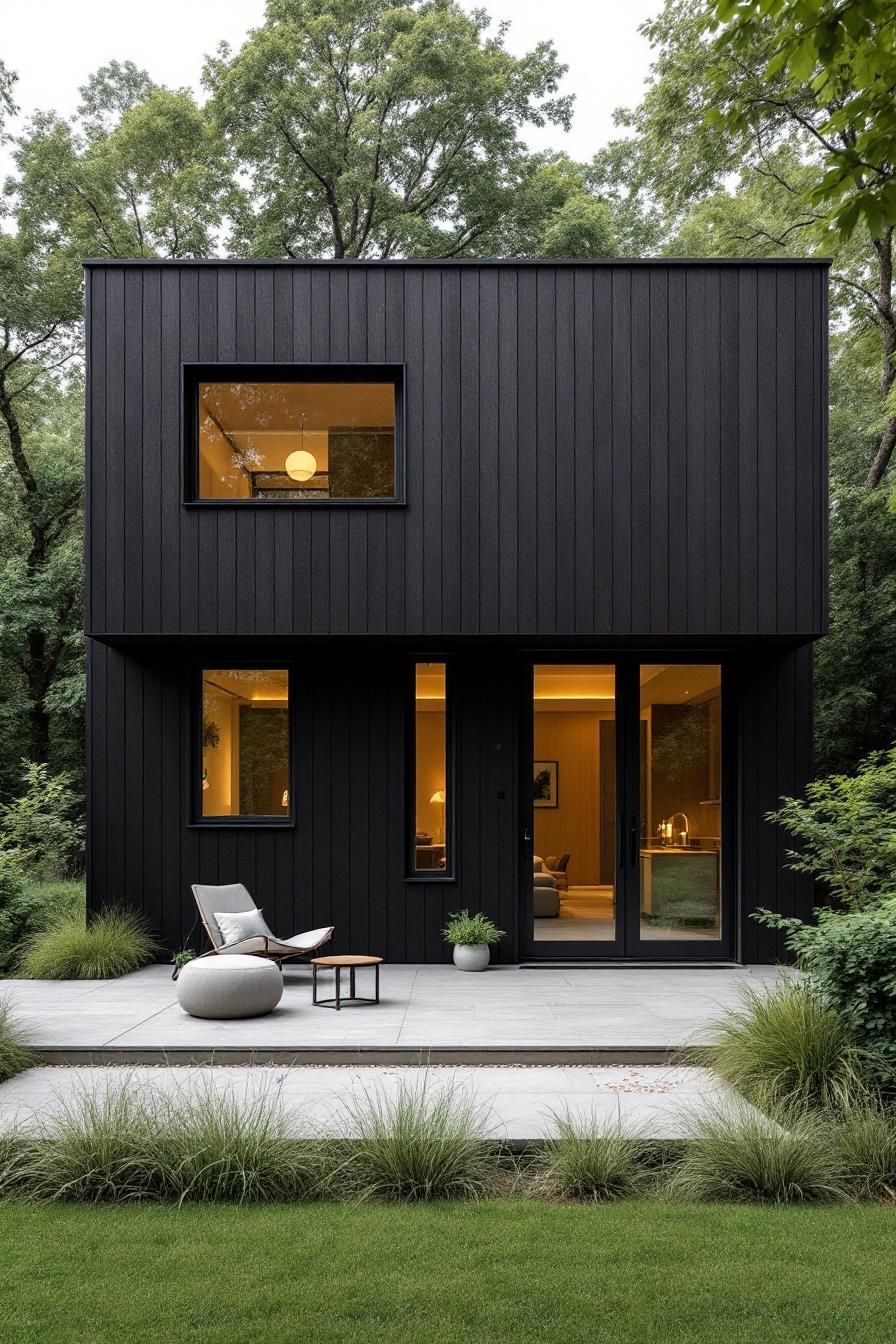
A Trend That Became an Architectural Language
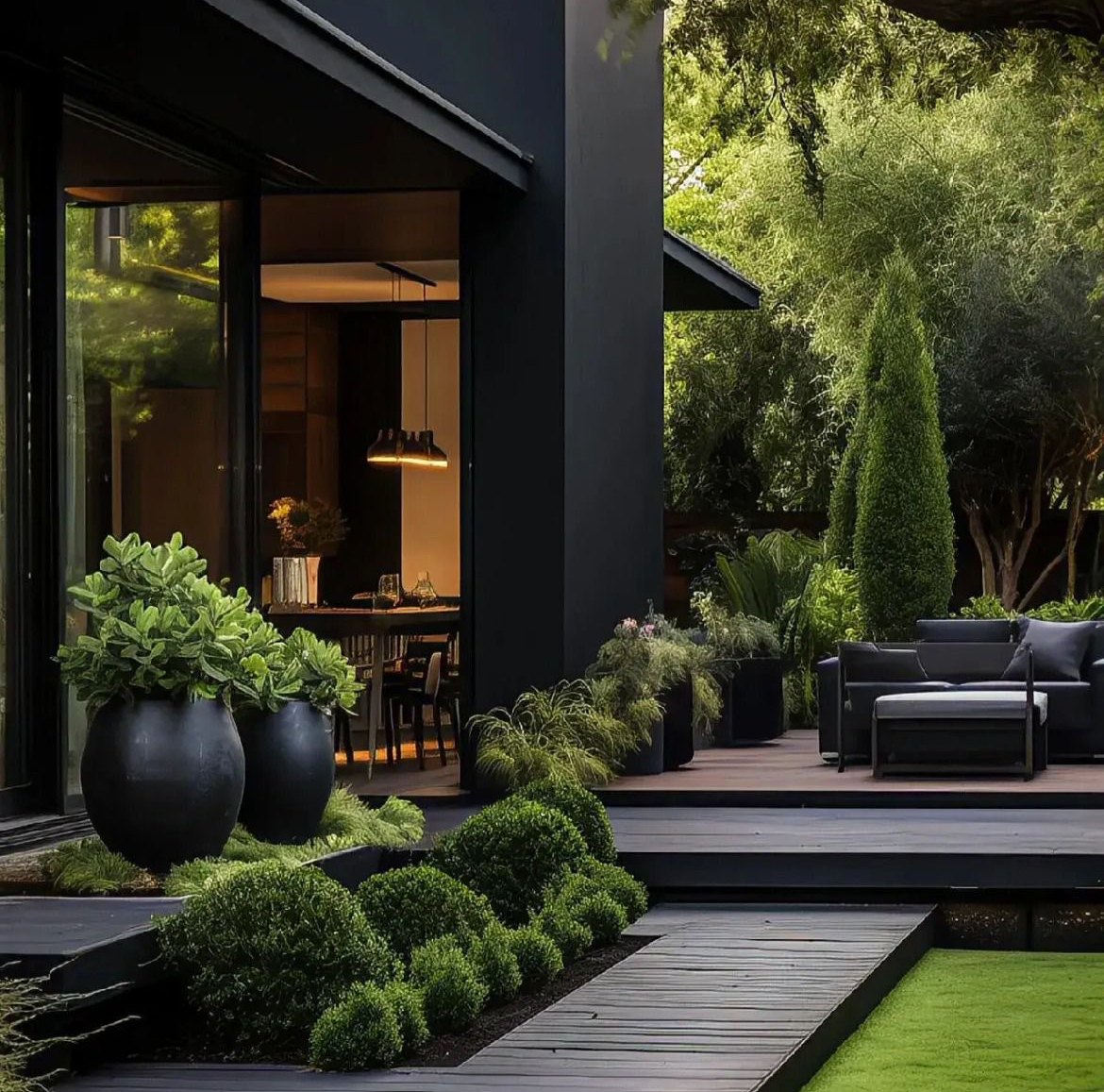
Dark façades are no longer experimental. They have become the new classic.
Burnt Wood works through contrast:
- enhances greenery,
- highlights glass,
- refines concrete,
- adds depth to volumes.
It is a texture for those who value character over decoration.
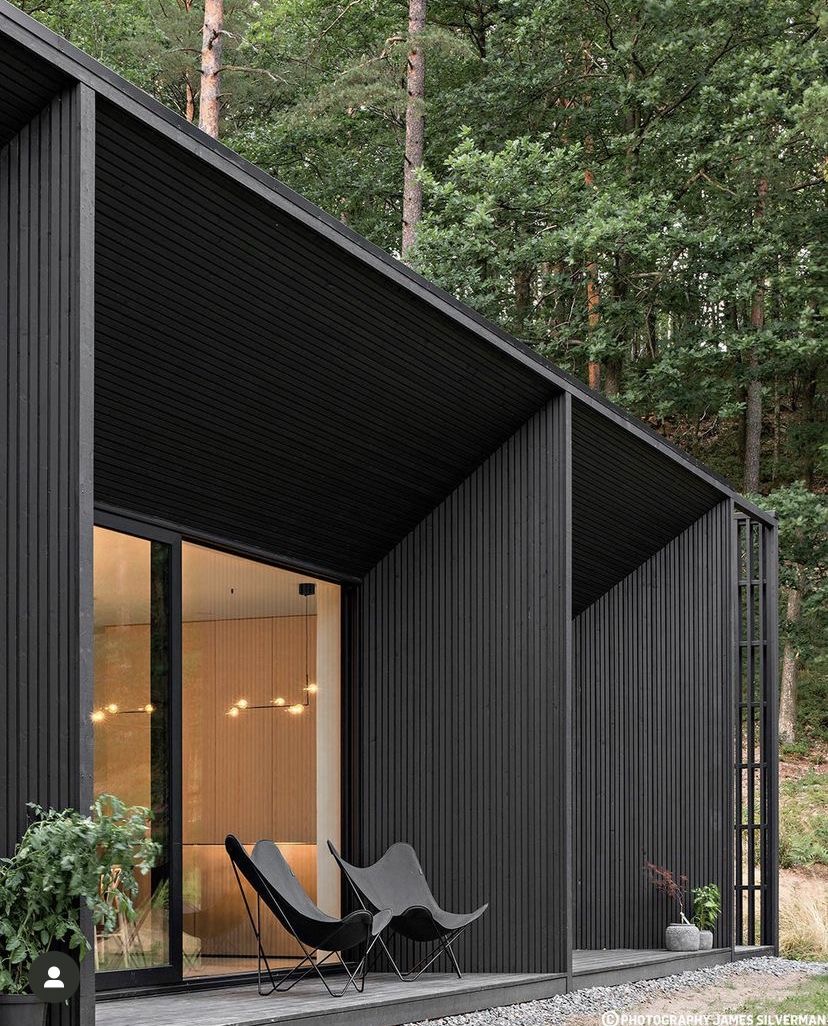
The Philosophy of Burnt Wood
We preserved the aesthetics of charred wood. We removed its vulnerability. We refused deforestation for visual effect.
We combined:
- natural depth,
- modern technology,
- durability,
- maintenance-free performance,
- recycling and responsible production.
Burnt Wood is architecture that looks alive but behaves like an engineered material.